Do You Need a Security Door When Renovating an Old Building
If you are about to undertake the renovation of an old building, adding a secure door might be quite far down your list of things to sort out. However, adding or replacing a door should be one of the first tasks you complete. Why? Because leaving this too late can be a major security risk that results in forced entry, theft and insurance issues.
Older Buildings are Generally More Vulnerable
Old buildings are likely to have a number of vulnerabilities and this number increases with age. Unoccupied buildings also carry additional risks as damage or wear is left unchecked.

Vulnerabilities to look out for:
- Timber doors that have weakened over time
- Worn hinges and frames
- Outdated or rusted locks
- Single-glazed vision panels
- Doors that no longer fit correctly due to movement in the building
- Previous repairs that have compromised strength
All of these can make a building more at risk from forced entry.
Even a solid timber door can become significantly weaker if the frame, hinges or locking points have deteriorated.
Security Risks During a Renovation Project
Is it really that important to protect an old building during construction projects? Even if you haven't got any of your own valuables in there yet? The answer is, yes definitely, as there will be a number of aspects to the property itself that could be at risk.
As renovations continue, security will continue to be essential for a number of reasons.
Before Renovations Begin
When a property is sat empty awaiting a renovation, there are a number of risks to consider. We've separated these into three categories:
Theft Risk
Would-be thieves find an empty building an attractive target because there are no occupants, existing security might be poor and predictable routines of owners and security personnel make it easy to get in when no one's looking.
Potential thieves could target:
- Copper pipes
- Electrical cables/copper wiring
- Lead roofing
- Boilers
- Radiators
- Architectural or vintage fixtures
Legal and Liability Risk
In the UK, property owners owe a duty of care to trespassers. If an unauthorised person is injured on your unsafe property, you can be sued for damages (see Occupiers' Liability Acts 1957 and 1984). Examples include, harm caused by unsafe electrical systems and injury caused by a broken floorboards. This means that the installation of a security door isn't just a nice-to-have, it's an essential tool for preventing legal action being taken against you.
Safety and Damage Risk
Unfortunately, unoccupied buildings can become targets of anti-social behaviour such as arson, graffiti and vandalism. Even in the case of trespass for other reasons, there is the possibility that the trespasser will create additional fire hazards by littering or cause damage unintentionally.
During Renovations
So you've started renovations, there are people regularly on-site and things are moving. What risks are there now?
Renovation projects can introduce a whole new range of risks to consider, including:
- Expensive power tools
- Plant equipment
- Building materials
- Fuel and other hazardous materials
- Temporary electrical supplies
- Deliveries left unattended
All of these can be stolen or misused if proper security is not in place. If the building remains unoccupied at night you have to consider the liability and damage risks we covered previously. In the case of injury risks, this might potentially be worse once renovations are actively under way.
Before Occupation
This stage is before anyone has moved in but work on the building is complete. While injury risks are less and building equipment has been removed, there are now new components to the building that could be targeted.
Potential thieves and vandals could target:
- New kitchens
- IT equipment
- Furniture
- Appliances
The Security Checklist for Renovating an Older Building
Now that you understand the security risks involved with owning and renovating an older building, how do you go about securing your property? Working through the following checklist can help reduce security risks throughout the project and ensure the completed building is protected for years to come.
1. Is the building vacant or left unattended?
If the property will be unoccupied for any length of time:
- Secure all external entrances before work begins.
- Remove or securely store any valuables where possible.
- Restrict the number of access points into the building.
- Arrange regular inspections, particularly during evenings, weekends and holidays.
2. Could valuable materials or equipment be stored on site?
Where it's practical, store valuable items in secure internal areas or offsite in the case of smaller power tools. Ensure security doors and/or gates are in place to limit access to the building site.
3. Are all entry points equally secure?
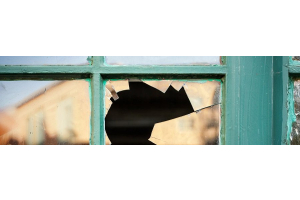
The main entrance often receives the most attention, but rear doors and side entrances can be easy targets if they're overlooked. Walk around the building and assess every external access point. A single weak door or broken window can undermine the security of the entire property.
4. Is the existing door frame still fit for purpose?
Even if an older door appears serviceable, worn or damaged frames can significantly reduce its effectiveness.
Look for:
- Movement or distortion
- Signs of rot or corrosion
- Loose fixings
- Gaps around the frame
- Damage caused by previous forced entry attempts
In many cases, replacing the door frame at the same time as the door leaf provides a stronger and more reliable solution.
5. Are your locks and hardware up to modern standards?
Older buildings often retain locks that no longer provide the level of protection expected today. Upgrading hardware can improve security, but severely worn or outdated doors may still require complete replacement.
6. Do you need additional security measures?
A security door is only one part of an effective building security strategy. To better protect your property you might also want to consider:
- CCTV systems or other security cameras
- Alarm systems
- Motion sensor lighting
- Perimeter fencing or gates
- Clear site signage and restricted access
The Right Security Door
A successful renovation should improve both the appearance and security of an older building. By assessing your property's risks early and choosing the right security solutions, you can help protect it during refurbishment and long after the work is complete.
Whether that's a Cottage Style Security Door for heritage-style properties, steel fire doors for areas requiring fire protection, or steel security gates to secure external compounds and access points, selecting the right products can provide lasting peace of mind while complementing your renovation project.