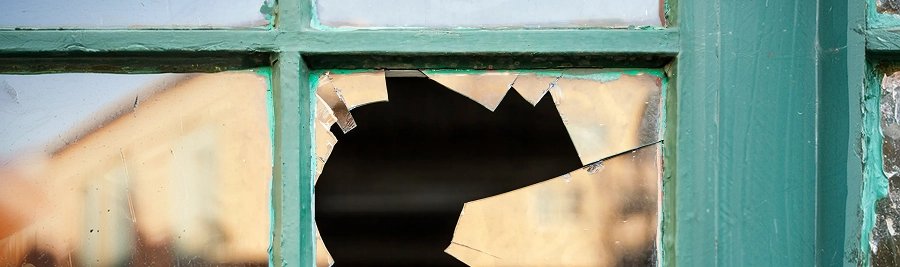
The Cost of a Break-In and How to Prevent it Happening
Being a victim of a break-in can be a devastating experience. It's not just the lost value of anything that is stolen, it's the hours spent fixing the damage, cleaning the mess and the emotional impact of having a stranger invade your property.
So what are the best ways to protect your home or property from a break-in? The fact is that, most break-ins aren't random. Criminals often look for the easiest point of entry, whether that's a poorly secured rear door, an ageing lock or a window that's stuck partially open.
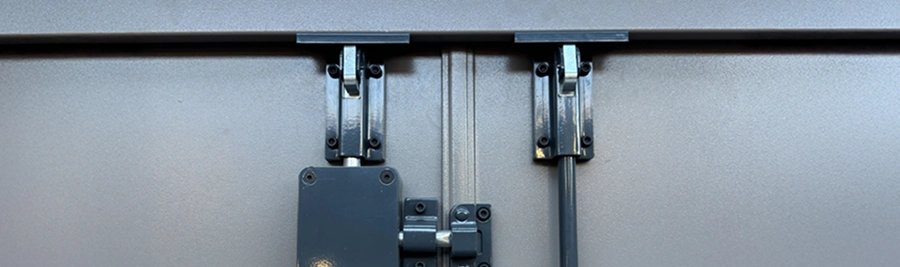
The Cost of a Break-In For a Homeowner
A single incident can have far reaching consequences. There are the immediate costs and then the indirect costs and lingering anxieties.
Direct Costs
Immediate expenses following a break-in typically include replacing stolen belongings and electronics. If forced entry occurred there will be repairs that need to be made. You may have to call a locksmith to replace locks if the mechanism has been broken or keys have been stolen.

Indirect Costs
Not all costs are immediately obvious. But after a break-in it's possible your future insurance fees will go up. You will also lose precious time just dealing with any insurance claims and arranging repairs. Reporting the incident to the police may be necessary for insurance purposes and can potentially get lost items back, if you're lucky, but talking with the police is more time taken out of your day.locks
Long-Term Costs
Some effects can continue long after repairs have been completed. Many of these are emotional, after all, a break-in can be a traumatic experience. It can lead to ongoing stress and anxiety that can have an impact on your day-to-day life.
The Cost of a Break-In For Businesses
Having a break-in happen at a business property can be just as devastating. Unfortunately, it also comes with a lot of additional costs to the business.
Direct Costs
Businesses often face significant immediate expenses following a break-in, like replacing stolen stock, tools or IT equipment. As with residential properties there may be doors and locks that need replacing. Shutters may be damaged and security systems would need replacing, whether that's a simple lock, replacing access key cards or reregistering staff for any smart locks.
Indirect Costs
The wider impact on business operations can often exceed the value of the items stolen. If business has to close for repairs this will lead to lost revenue. For retailers, stolen stock can mean a slow return to normal as they wait for the replacement stock to come in.
Repairs and investigations can both lead to interruptions to staff and possibly the delay of projects while the affects of stolen IT equipment is assessed. As with homeowners, a large amount of time can be lost to dealing with insurance companies, repair technicians and the police.
Long-Term Costs
There could be a number of long-term or hidden costs that add up in the aftermath of a break-in. Ongoing security checks may be necessary and the loss of secure data could lead to potential privacy issues.
Business and Home Security: Inspect your Entry Points
To avoid the long list of costs, the best way to prevent break-ins is to make sure that all of your entry points are secure. Would-be-thieves know how to exploit weak hinges or damaged locks, so it's essential to check these yourself and repair or replace anything that's not working as it should.
Carrying out a regular inspection of your property's entry points can help identify potential weaknesses before they become an opportunity for intruders. Walk around the building and check each external door, gate and accessible window using the questions below.
- Does the door close and lock properly? A door that sticks, won't latch correctly or has a faulty lock may be easier to force open.
- Is the frame in good condition? Look for signs of movement, warping, rot, corrosion or loose fixings that could weaken the doorway.
- Are the hinges secure? Check for loose screws, exposed hinges or visible damage that could make the door easier to remove.
- Is there any visible damage? Dents, cracks, rust or previous repair work may indicate that the door's strength has been compromised.
- Are windows secure? All of the above should be applied to windows as well, especially if they are on the ground floor or easy to reach via a roof or fence.
- Could the entrance be targeted unnoticed? Consider whether poor lighting, overgrown vegetation or secluded access points provide cover for intruders.
- Are additional security measures in place? Ensure security cameras, doorbell cameras, security lighting, alarms and access control systems are working correctly and cover all vulnerable entrances.
A few minutes spent inspecting your property's entry points could highlight simple issues that are quick to fix.
When Is It Time to Fit a Security Door?
Not every property needs a security door from day one, but there are clear signs that an upgrade is worth considering. If your building contains valuable assets, has ageing access points or has previously experienced attempted break-ins, a standard door may no longer provide adequate protection.
It may be time to fit a security door if your existing door is damaged or deteriorating. Warped timber, corrosion, loose frames or worn locking mechanisms can all make forced entry easier. This is especially important if you have damages from a previous break-in or break-in attempt.
Consider any changes in the value of equipment or stock. Additional tools, machinery or IT equipment could all be a reason for improving your over-all security.
If you're renovating an older property, the increase in its perceived value could make it a more likely target and a security door could be worth the investment.
Finally, businesses that need to meet higher safety or insurance requirements may need new security doors or fire-rated security doors that provide both physical protection and compliance with building safety requirements.
Why Upgrade Your Security?
Replacing an ageing or vulnerable door before it fails is usually far less disruptive and less expensive than dealing with the damage and losses caused by a break-in. By upgrading your entry points at the right time, you can improve security, reduce future maintenance and gain greater peace of mind.
If you are looking for a new security door or wanting to upgrade your set-up, talk to us today.