How to Paint a Door: A Step-by-Step Guide for a Professional Finish
When refreshing your home's entrance or improving the appearance of a commercial security door, knowing how to paint a door properly can make a huge difference.
A well-painted door improves appearance and helps to protect the surface from daily wear and tear, moisture, and weather damage.
In this guide, we'll explain everything you need to know about painting a door, from preparation and priming through to applying the final coat.
Why Proper Door Painting Matters
Applying a fresh coat of paint may seem straightforward, but poor preparation can lead to peeling, bubbling, brush marks, and an uneven finish. Taking the time to prepare the surface correctly will ensure a longer-lasting and more attractive result.
If you're considering upgrading to a more secure and durable entrance solution, it may also be worth exploring the range of security doors available with a range of powder coat options, so you don't need to worry about painting your door.
Tools and Materials Needed for Painting a Door
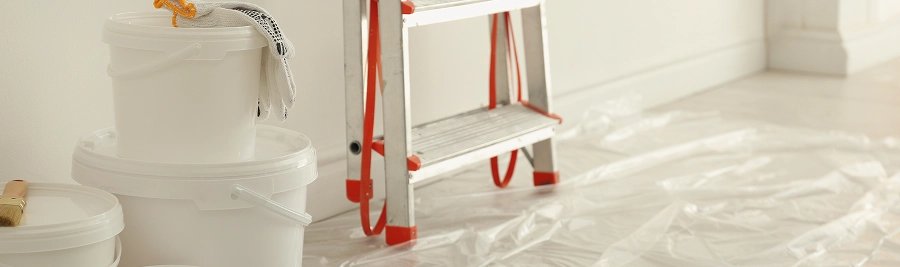
Before you begin painting your door, gather the following materials:
- Screwdriver
- Dust sheets
- Fine and medium-grit sandpaper
- Wood filler (for timber doors)
- Degreasing cleaner or sugar soap
- Primer suitable for the door material
- Paintbrushes
- Foam roller
- Paint tray
- Topcoat paint
- Protective gloves
Having everything ready before you start will make the process much smoother and help to achieve a professional-looking finish.
Step 1: Remove the Door and Prepare the Area
While it's possible to paint a door in place, removing it and laying it flat often produces better results by reducing the risk of runs and drips. If you decide to leave the door hanging:
- Protect surrounding walls and flooring.
- Remove handles, locks, and other hardware where possible.
- Use masking tape to cover any fittings that cannot be removed.
Step 2: Clean the Door Thoroughly
Before applying any paint, the surface must be completely clean. Dirt, grease, fingerprints, and old polish can prevent paint from adhering properly. Use sugar soap or a suitable degreasing cleaner to wash the entire door surface.
Pay attention to handles, door edges, letterbox areas, and bottom sections where dirt accumulates. Allow the door to dry fully before moving on to the next stage.
Step 3: Sand the Surface
Sanding creates a smooth, even surface and provides a key for the new paint to bond to.
For previously painted doors:
- Lightly sand the entire surface using medium-grit sandpaper.
- Remove any loose or flaking paint.
- Smooth out imperfections and brush marks.
For bare timber doors:
- Sand in the direction of the grain.
- Fill any dents or holes before sanding smooth.
For steel doors:
- Remove any signs of rust.
- Feather rough edges around chipped paint.
Once sanding is complete, wipe the door with a damp cloth to remove dust.
Step 4: Apply Primer
Primer improves adhesion, creates an even base colour, and helps the topcoat last longer. Choose a primer that matches the door material:
- Wood primer for timber doors
- Metal primer for steel doors
- Specialist primers for composite materials
Apply a thin, even coat and allow it to dry according to the manufacturer's instructions.
If you're painting a security door, using a high-quality metal primer is particularly important because it helps protect against corrosion and environmental damage.
Step 5: Apply the First Coat of Paint
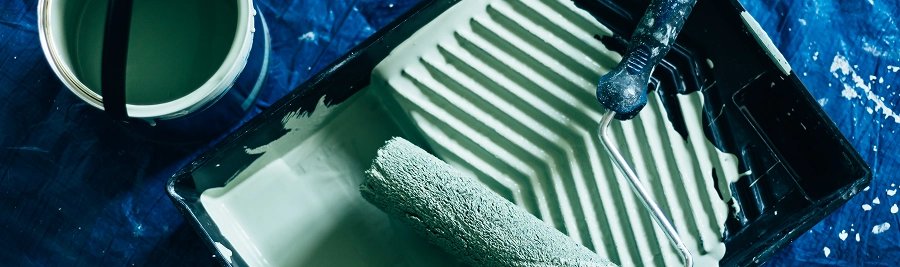
Start by painting any mouldings, panels, or recessed areas first using a brush. Then use a foam roller for larger flat sections to achieve a smoother finish.
Work methodically:
1. Paint detailed sections first. 2. Paint horizontal areas. 3. Finish with vertical sections.
Apply thin coats rather than one thick coat. Thick coats are more likely to run and take longer to dry.
Depending on the colour change and paint type, two or three coats may be required.
Step 6: Allow Adequate Drying Time
Many imperfections occur because additional coats are applied before previous coats have fully cured. Always follow the paint manufacturer's recommendations regarding:
- Touch-dry times
- Recoating times
- Full curing times
Avoid rehanging or heavily using the door until the paint has properly hardened.
Step 7: Apply a Second Coat
Applying a second coat provides better colour consistency, greater durability, improved weather resistance, and a more professional finish.
Inspect the surface carefully before applying the second coat. Lightly sand any imperfections and remove dust before continuing.
Most doors benefit significantly from a second coat, especially external doors that are exposed to the weather.
Common Mistakes to Avoid When Painting a Door
Mistakes can occur easily without proper preparation and attention to detail. Here are common mistakes to avoid:
1. Skipping Preparation: Poor cleaning and sanding can lead to peeling paint and poor adhesion. 2. Using the Wrong Paint: Interior paints should not be used externally, and metal doors require products specifically designed for metal surfaces. 3. Applying Paint Too Thickly: Heavy coats can create drips, runs, and uneven drying. 4. Ignoring Weather Conditions: When painting an external door, avoid very cold, hot, or damp conditions as these can affect drying and finish quality.
Is Painting Always the Best Option?
While painting a door is an excellent way to refresh its appearance, it isn't always the most durable solution, particularly for steel doors.
Traditional wet paint can chip, fade, and require ongoing maintenance over time. For commercial properties, industrial sites, and high-traffic areas, a more hard-wearing finish is often preferable.
Powder Coating
For customers looking for a hard-wearing and professional finish, we offer powder coating on our doors.
Unlike traditional paint finishes, powder coating involves applying a dry powder electrostatically to the metal surface before curing it at high temperatures. This creates a tough, uniform finish that is significantly more resistant to:
- Chipping
- Scratching
- Fading
- Corrosion
- Weather damage
Powder coating is one of the most durable finishing methods available for steel security doors. The resulting finish is smooth, consistent, and designed to withstand years of heavy use.
We can supply doors in a wide range of colours and finishes. Helping customers achieve the appearance they want without the maintenance requirements associated with repainting.
The Benefit of a Proper Paint Finish
Learning how to paint a door properly can dramatically improve the appearance of your property and extend the life of your door. By following the correct preparation, priming, and painting steps, you can achieve a professional-quality finish that lasts.
However, if you're dealing with steel security doors that require maximum durability, it may be worth considering a professionally powder-coated solution instead.
Whether you're repainting an existing door or investing in a brand-new security door, choosing the right finish is key to achieving aesthetic appeal and long-term performance.
When Should You Replace Your Door